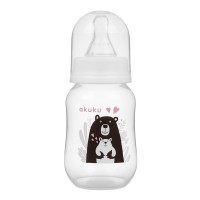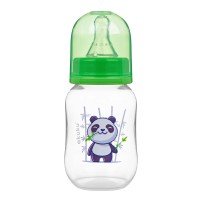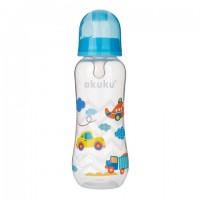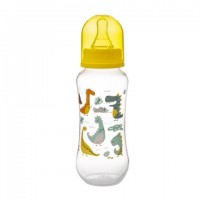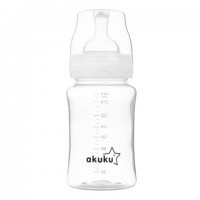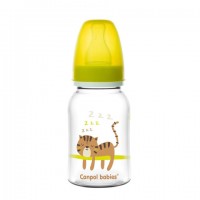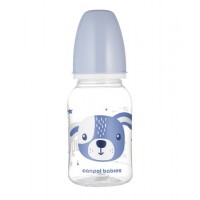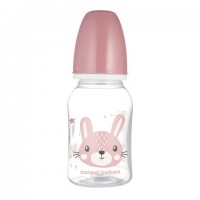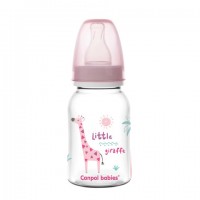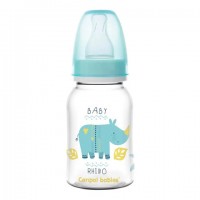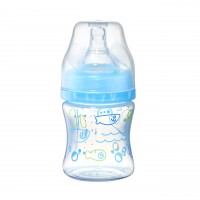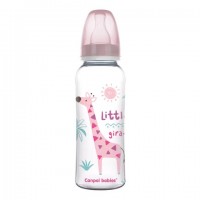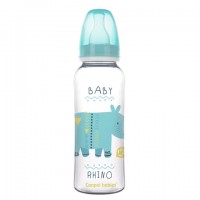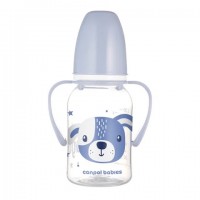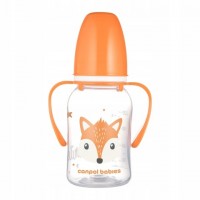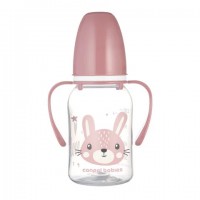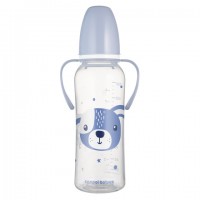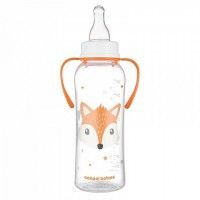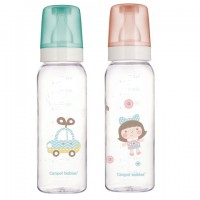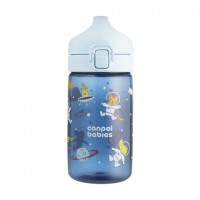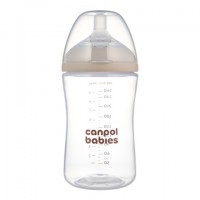


A BOTTLE is one of the most important accessories in a child's life, useful both in the early period, if the mother cannot breastfeed the baby for some reason, and for using previously expressed breast milk, and later expanding the baby's nutritional program. Baby feeding bottles are available in several sizes so that they can be easily adjusted to the baby's age and needs.
The ideal bottle for feeding a newborn should have a capacity of 100-150 ml. For older children, it is better to offer a large bottle with a capacity of 300-330 ml. All baby feeding bottles are made of safe, non-toxic and durable materials and do not contain BPA.
Until when should you feed your baby from a bottle? Bottle feeding should be stopped when your baby is 13-15 months old. A one and a half year old child should not be fed from a bottle. This is due to the need to take care of the child's oral hygiene. It is worth weaning the child from the bottle gradually. Long-term use of a bottle can cause problems with bite and dental health in the future. However, you can replace the bottle with a special baby cup.
How often should you change feeding bottles? Feeding bottles should be changed every 3 months. It is also important to wash the bottle properly. If you use harder brushes, scratches may appear on the inside of the bottle, where dirt and bacteria accumulate. Do not forget to change the nipple along with the bottle.
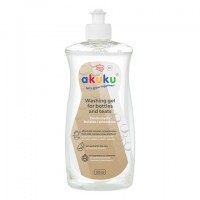
How to clean feeding bottles? Your baby's feeding bottle should be washed, preferably immediately after your baby has drunk milk. Do not put off washing until later - the milk can dry out and it will be more difficult to get rid of it. Use special soap and warm water, as well as a special brush for washing baby bottles and accessories. Always rinse the bottle and nipple thoroughly. Many feeding bottles can be washed in the dishwasher. More detailed information on this can be found in the manufacturer's instructions.
BOTTLE NUTS regulate the speed at which milk flows out of the bottle, thanks to the number and size of holes in the nipple. When choosing a nipple for feeding, pay attention to its shape and flow rate. The amount of food that comes out of the nipple depends on the age of the child - the older, the faster the flow. All bottle nipples are especially soft, made of the highest quality silicone, and have a ventilation system that prevents air from being sucked in, thereby reducing the risk of colic for your baby.
The first important question when buying a pacifier is whether it corresponds to the age of the child. Manufacturers of pacifiers indicate the age of the baby for whom the product is intended on the packaging, so if the baby was born on time and is developing correctly, you should follow these recommendations. The number and size of the holes affect how quickly the food flows out of the bottle. For newborns and babies up to 4 months old, who are still learning the correct sucking technique, you should choose slow-flow nipples with 1-3 small holes. Older babies can be bottle-fed with medium or fast-flow teats, which have 3 large holes and can also be used for feeding porridge. When choosing a slow or fast-flow teat, it is worth watching your baby while they are eating. If the number or size of holes on the teat is not right for your baby, they will squirm and become fussy while eating. Poor weight gain can also be a warning sign, which may be due to the milk coming out of the bottle too slowly. However, if your baby frequently grunts and swallows loudly while breastfeeding, the flow may be too fast.
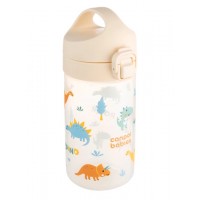
A bottle nipple (spout or mouthpiece) is useful when transitioning from breastfeeding or bottle-feeding to independent drinking. This usually happens around six months of age, when your baby's diet begins to gradually expand to include new foods. You can still use a bottle to give tea and juice, but you may want to consider replacing the pacifier with a mouthpiece. Bottle mouthpieces positively affect the development of the bite, as well as train the muscles of the mouth, which are so important in the process of speaking and eating.
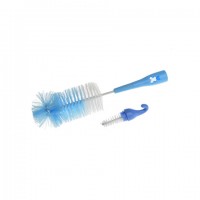
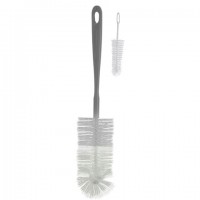
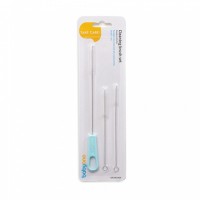
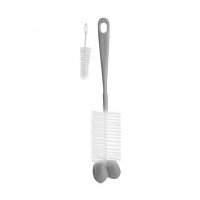
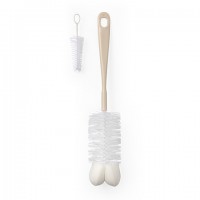
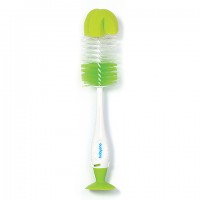
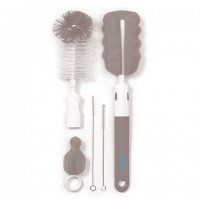
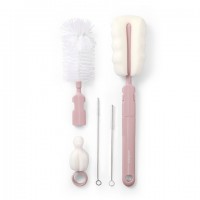
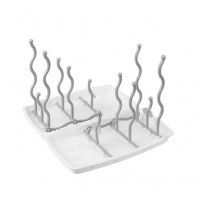
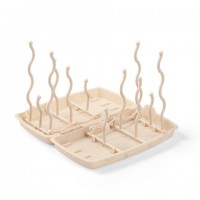
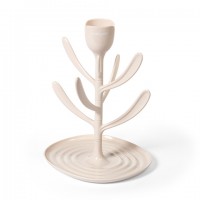
BOTTLE AND PACIFIER BRUSHES: Anyone who has ever tried to clean a bottle - any bottle - knows that it is quite a difficult task. Of course, we are not talking about just rinsing with water. Special elongated brushes have been created for washing bottles, which can be inserted through the neck of the bottle and thus get inside. Baby bottle brushes are made of soft but durable fibers that collect dirt well without scratching the surface. Do not use brushes designed for regular bottles, as the deep scratches they can cause can accumulate bacteria that are difficult to remove. Usually, the kit also includes a mini-brush for pacifiers and other small objects, which also effectively and gently clean food debris. To keep bottles and other items hygienic and clean, bottle dryers are offered to help organize the storage space for accessories.
bottles and accessories
bottles and accessories veikalā bebis.lv-kvalitāte par saprātīgu cenu
A BOTTLE is one of the most important accessories in a child's life, useful both in the early period, if the mother cannot breastfeed the baby for some reason, and for using previously expressed breast milk, and later expanding the baby's nutritional prog